
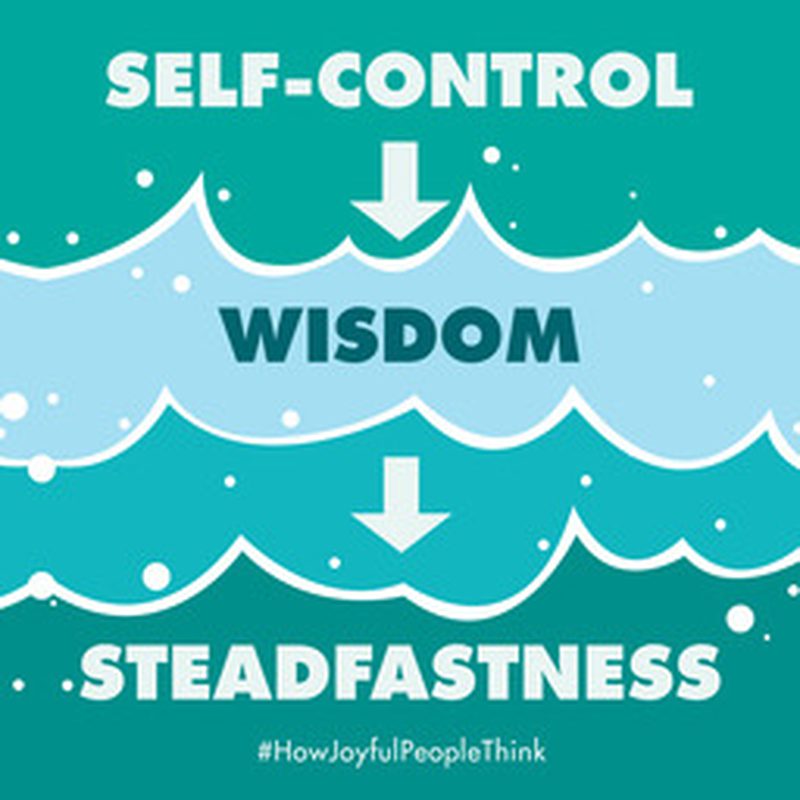
When things come up in life this reminds me to keep in control of my reaction & if I react in a way that is not becoming to my Lord then I open up the door to negative things therefore no longer holding on to the HOPE I need to preserver ❤❤❤🦋🦋🦋🙏🏽🙏🏽🙏🏽
Whatever Is Holy
When we examine the eight uses of the word pure in the New Testament, we see that they fall neatly into two buckets: personal and relational. This word is used to describe either personal purity or a purity that is seen only as we interact relationally with those around us.
On a personal level, followers of Jesus are called to be pure in their conduct. Paul told Timothy, “Do not be hasty in the laying on of hands, nor take part in the sins of others; keep yourself pure [hagnos—(pronounced hawg-NAHS)]” (1 Timothy 5:22). The Greek version of the Old Testament sums up this idea when it says, “The way of the guilty is crooked, but the conduct of the pure [hagnos] is upright” (Proverbs 21:8).
Each of these verses uses this concept of purity on a personal level. They refer to a believer’s conduct—the actions and behaviors they are to have. Our actions are to be unstained and “set apart” from the immoral craziness of the world around us. We show our purity in everything from our words to our sexuality to our honesty to our business ethics. We are to mimic the righteousness and set-apart nature of God himself.
Another equally important aspect of this call involves how we interact with those around us. James 3:17 lists relational traits that define what true wisdom looks like: “But the wisdom from above is first pure [hagnos], then peaceable, gentle, open to reason, full of mercy and good fruits, impartial and sincere.” These are all relational traits. You can’t demonstrate these traits without other people.
Holiness is just as much a relational characteristic as it is a personal one. So which call is given in Philippians 4:8? The verse tells us to think this way, but it’s one of those rare verses that doesn’t say whether this purity is personal or relational. In the absence of any contextual clues, combined with the fact that the concept appears in a generic list, we can only assume that the fullness of hagnos, in both its personal and its relational setting, must be in play. Bottom line: the call to think about “whatever is pure” means that we are to be goodand relate well. These form the defining characteristics of our holiness.
Why does God call us to be holy?


