

Author: hopespiritualwellness
Blessings my name is Hope I am a follower of Christ & through him I can do all things...I've been through many things in my life & I have found that if I focus on my spiritual wellbeing I get through every single challenge with a smile on my face & peace in my heart please join me on this journey to spiritual wellness by allowing me to be your spiritual life coach
Daily Encouragement #HOPE #spiritualwellness ❤❤❤🦋🦋🦋🙏🏽🙏🏽🙏🏽 My encounter with God 10/10/18
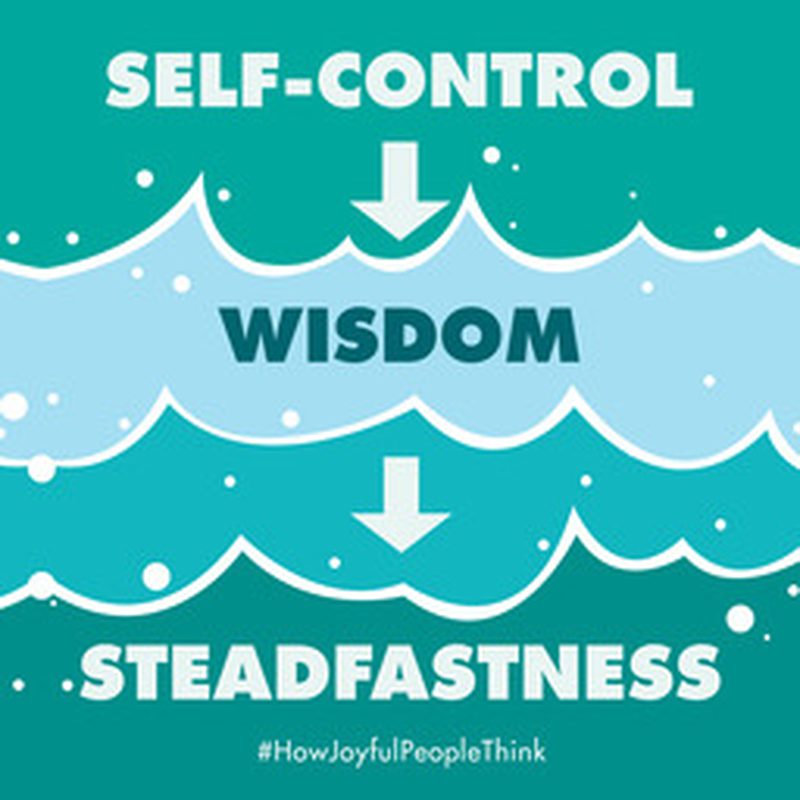
When things come up in life this reminds me to keep in control of my reaction & if I react in a way that is not becoming to my Lord then I open up the door to negative things therefore no longer holding on to the HOPE I need to preserver ❤❤❤🦋🦋🦋🙏🏽🙏🏽🙏🏽
Whatever Is Holy
When we examine the eight uses of the word pure in the New Testament, we see that they fall neatly into two buckets: personal and relational. This word is used to describe either personal purity or a purity that is seen only as we interact relationally with those around us.
On a personal level, followers of Jesus are called to be pure in their conduct. Paul told Timothy, “Do not be hasty in the laying on of hands, nor take part in the sins of others; keep yourself pure [hagnos—(pronounced hawg-NAHS)]” (1 Timothy 5:22). The Greek version of the Old Testament sums up this idea when it says, “The way of the guilty is crooked, but the conduct of the pure [hagnos] is upright” (Proverbs 21:8).
Each of these verses uses this concept of purity on a personal level. They refer to a believer’s conduct—the actions and behaviors they are to have. Our actions are to be unstained and “set apart” from the immoral craziness of the world around us. We show our purity in everything from our words to our sexuality to our honesty to our business ethics. We are to mimic the righteousness and set-apart nature of God himself.
Another equally important aspect of this call involves how we interact with those around us. James 3:17 lists relational traits that define what true wisdom looks like: “But the wisdom from above is first pure [hagnos], then peaceable, gentle, open to reason, full of mercy and good fruits, impartial and sincere.” These are all relational traits. You can’t demonstrate these traits without other people.
Holiness is just as much a relational characteristic as it is a personal one. So which call is given in Philippians 4:8? The verse tells us to think this way, but it’s one of those rare verses that doesn’t say whether this purity is personal or relational. In the absence of any contextual clues, combined with the fact that the concept appears in a generic list, we can only assume that the fullness of hagnos, in both its personal and its relational setting, must be in play. Bottom line: the call to think about “whatever is pure” means that we are to be goodand relate well. These form the defining characteristics of our holiness.
Why does God call us to be holy?
Daily Encouragement #HOPE #spiritualwellness ❤❤❤🦋🦋🦋🙏🏽🙏🏽🙏🏽
But the wisdom that comes from heaven is first of all pure; then peace-loving, considerate, submissive, full of mercy and good fruit, impartial and sincere.
James 3:17 NIV
https://bible.com/bible/111/jas.3.17.NIV
Daily Encouragement #HOPE #spiritualwellness ❤❤❤🦋🦋🦋🙏🏽🙏🏽🙏🏽

Daily Encouragement #HOPE #spiritualwellness ❤❤❤🦋🦋🦋🙏🏽🙏🏽🙏🏽My encounter with God 9/22/18
This encounter is very personal today as I go through a storm I focus on being obedient I just want to hear my Lord & do his will without doubt fear frustration anything that is not of my Lord…please Lord speak to me
Obedience can be an intimidating word. Depending on our upbringing and other influences from our early life, it may invoke different emotions. For some, it conjures up odious thoughts of harsh, seemingly pointless regimens of rules and regulations that are stifling and oppressive instead of life-giving and fulfilling. For others, it seems oddly devoid of intimacy and relationship, more of a never-good- enough attempt at measuring up. And for even more of us, the word itself feels like a threat to our innate desire for independence. It bristles against the fabric of our self-reliance and autonomy.
Obedience—at least the kind that our good, loving, sovereign God requires—is neither legalistic nor lacking in affection. Although it places needed boundaries and demands on us—as in, “If anyone wishes to come after Me, he must deny himself, and take up his cross and follow Me” (Matt. 16:24)—each bit of instruction He gives is born out of the tenderness of His heart toward us and His desire to steer us toward His best for our lives. Obedience is not a no; it is actually His best yes. It swims in oceans of grace and leads us to freedom, wholeness, and health. It opens us up to His unbridled blessing and abundance.
The irony of obedience is like a delicate dance of trust. It may require real sacrifice from us, while somehow leading to blessing and incomparable abundance.
• It binds us while concurrently loosing us.
• It holds us tightly while also letting us go.
• It redirects us only to replenish and renew us.
• It restrains us while simultaneously releasing us.
• It limits us while also opening up spacious possibility.
Without our intentional surrender to the former, we cannot experience the benefits of the latter—benefits that are so important and hold so much incredible promise, we can hardly afford to leave them to chance. We must plan and intentionally strategize to pursue them, to pursue obedience. If left to our flesh’s tendencies toward rebellion, we will live in a consistent state of resistance toward God and His ways.
But if we (literally) plan to obey, we put ourselves in position any day of the week to hear what He wants us to do next, and then to have Him bless us with the supernatural joy of following Him.

